

How to Use AI Responsibly in Your Job Search
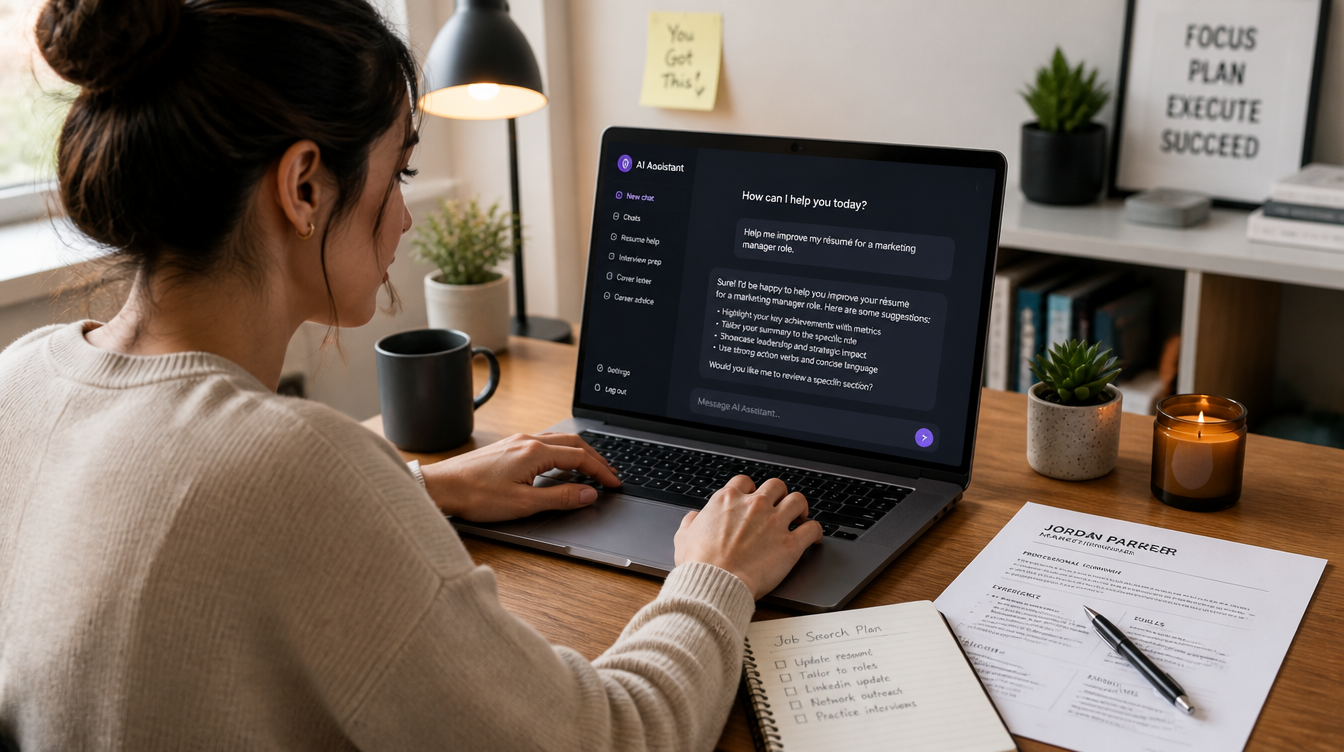
AI tools can make a job search faster and less overwhelming — but only when they're used to support your judgment, not replace it. Below are the key questions job seekers should ask themselves before, during, and after using AI in their search.
How can AI support a job search without replacing the job seeker's own effort?
AI works best as a starting point, not a finish line. It can help you brainstorm, organize, and draft faster, but the direction, decisions, and final judgment should still come from you. Think of it as a research assistant or editor — useful for speeding up the parts you find tedious, but not a substitute for knowing your own goals, values, and experience.
Which job-search tasks are most appropriate for AI assistance?
AI is well suited to tasks like organizing your job search, summarizing long job postings, brainstorming keywords, drafting outlines, and checking grammar or tone. It's less appropriate for tasks that require personal judgment, honesty about your own experience, or decisions only you can make — like deciding which job offer aligns with your values.

How can AI help someone identify relevant job opportunities?
AI tools can scan and summarize large volumes of job postings, flag roles that match your skills or keywords, and help you compare requirements across multiple listings quickly. This can save hours of manual searching, but you should still verify that a role and company are a genuine fit before applying.
How can job seekers use AI to improve the clarity of a résumé?
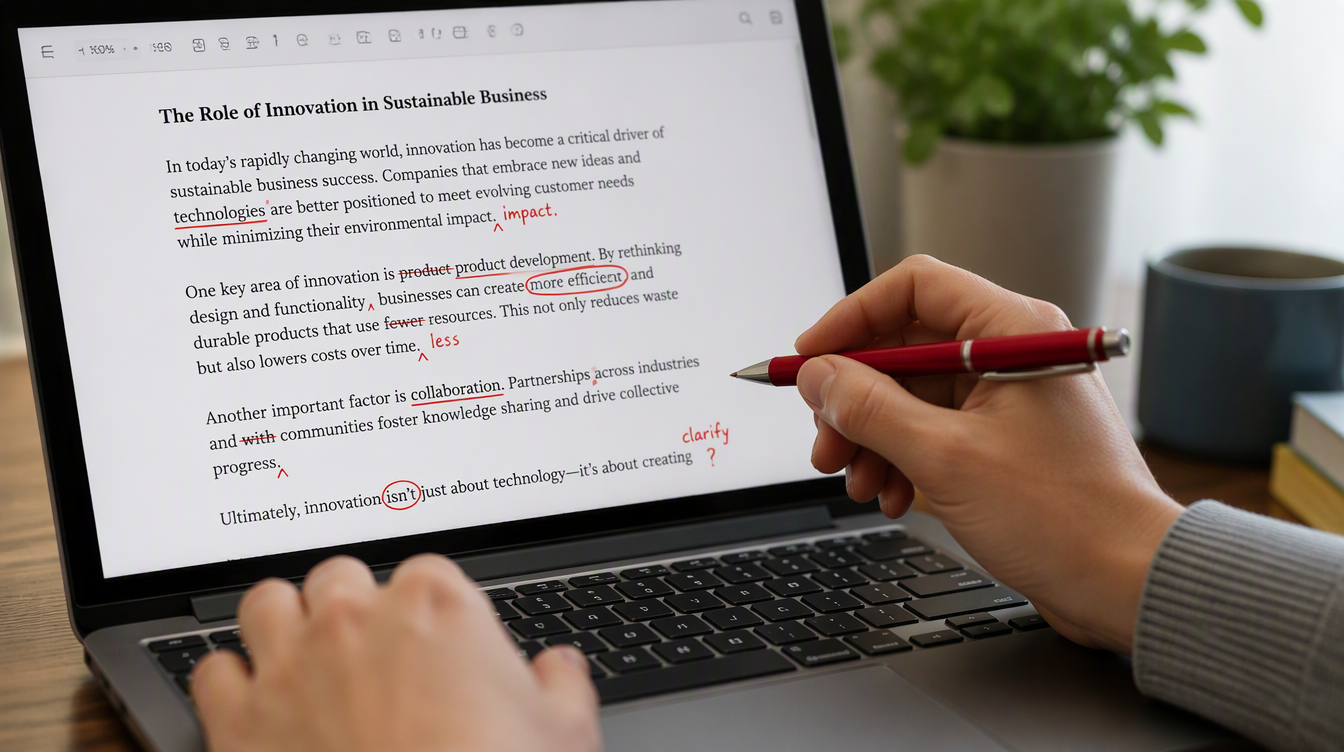
AI can help tighten wordy sentences, fix awkward phrasing, and suggest stronger action verbs. It's especially useful for turning a rough draft into something clear and well-organized. The goal is clarity, not reinvention — your résumé should still sound like a clean, professional version of you.
Why should applicants avoid submitting AI-generated content without reviewing it?
AI-generated text can sound polished but still contain errors, generic phrasing, or claims that don't quite match your actual experience. Submitting it without review risks sending an application that isn't fully accurate — or that doesn't sound like you at all, which employers increasingly notice.
How can job seekers make sure their résumé still reflects their real experience?
After using AI to draft or edit, read every line and ask: "Did I actually do this, in this way?" Replace any generic or inflated language with specific details from your real work history — actual projects, numbers, and outcomes you can speak to confidently in an interview.
What are the risks of allowing AI to exaggerate skills or accomplishments?
AI tools sometimes generate impressive-sounding language that overstates your role or results. If you can't back up a claim in an interview, it can damage your credibility and cost you the opportunity. Exaggerated claims can also create problems after hiring, if you're expected to perform at a level you described but haven't reached.
How can AI help tailor a résumé to a specific job posting?
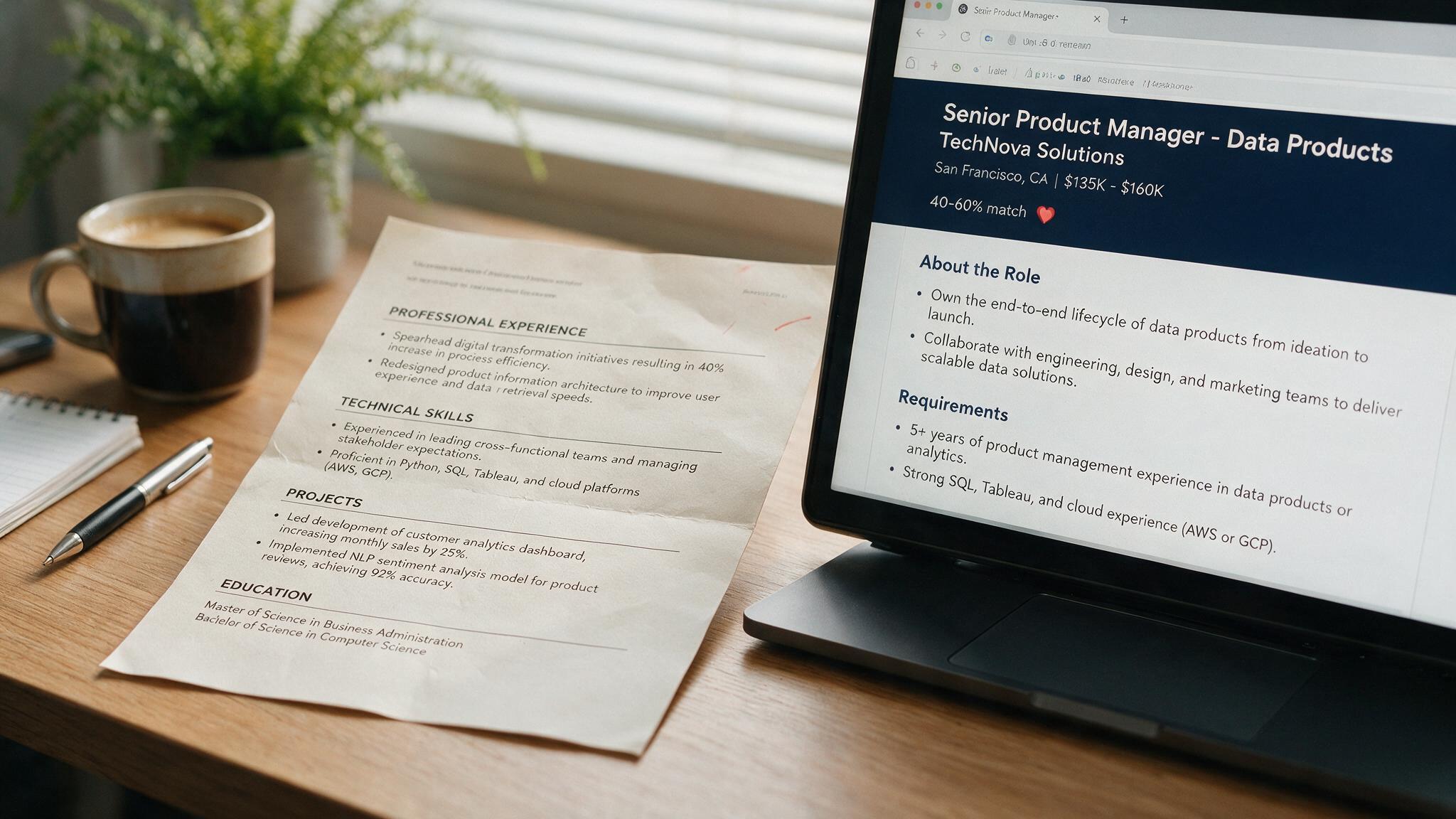
AI can compare your résumé against a job description and highlight relevant experience you may have underemphasized, or point out gaps between your background and the role's requirements. This helps you prioritize the right accomplishments for each application rather than sending the same résumé everywhere.
How can applicants use job-posting keywords naturally rather than forcing them into a résumé?
Use keywords where they genuinely reflect your experience, woven into real accomplishments rather than dropped in as a disconnected list. If a keyword doesn't apply to anything you've actually done, leave it out — forced or irrelevant keywords are easy for both applicant tracking systems and human reviewers to spot.
How can AI assist with writing a cover letter that still sounds personal?
Use AI to help structure your cover letter or overcome writer's block, then rewrite key sentences in your own words, especially the parts about why you want the role or what excites you about the company. Personal motivation and specific details are the hardest things for AI to fake convincingly, and the most important ones to get right.
What information should job seekers avoid sharing with AI tools?
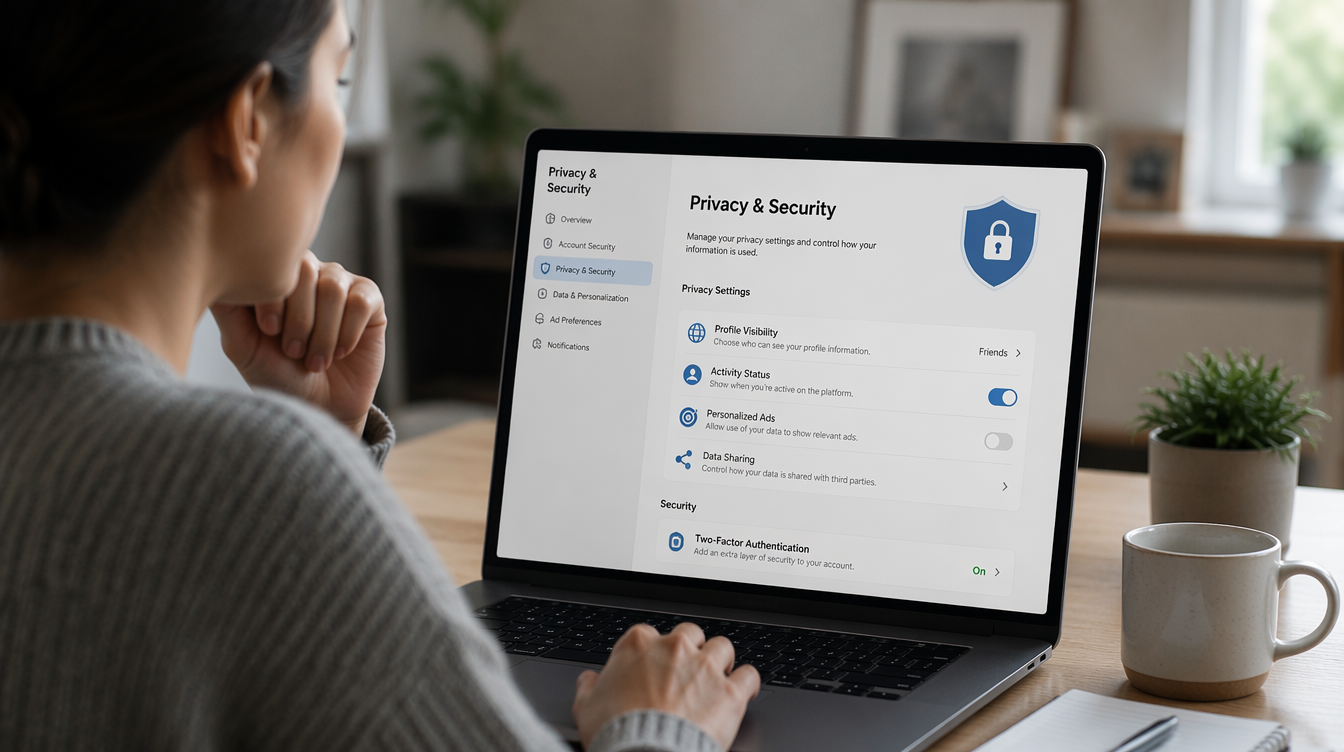
Avoid sharing sensitive personal information such as your Social Security number, financial details, passwords, or confidential information from a current or former employer. Many AI tools store or process input data, so treat any information you share the way you would treat information given to an unfamiliar third party.
How can applicants protect personal, confidential or employer-related information?
Remove or replace identifying details, employer names, or proprietary information before pasting content into an AI tool. When in doubt, use general descriptions of your work instead of specifics that could violate a confidentiality agreement or expose sensitive data.
How can job seekers check AI-generated content for errors or inaccurate claims?
Fact-check every specific detail AI generates — job titles, dates, technical terms, company names, and statistics. Read the content slowly, ideally out loud, and compare it against your actual records (old résumés, performance reviews, LinkedIn history) rather than assuming it's accurate.
Why is it important to confirm facts, company details and job requirements independently?
AI tools can be outdated, incomplete, or simply wrong about specific companies, roles, or industry requirements. Confirming details independently — through the company's own website, recent news, or a real contact — protects you from showing up to an interview with outdated or incorrect assumptions.

How can AI help someone prepare for common interview questions?
AI can generate likely interview questions based on a job description, help you structure answers using frameworks like STAR (Situation, Task, Action, Result), and give you a low-pressure space to practice before the real conversation. This preparation can reduce anxiety and help you organize your thoughts.
Why should candidates avoid memorizing AI-generated interview answers word for word?
Memorized answers often sound rehearsed and can fall apart when an interviewer asks a follow-up question you didn't prepare for. Interviewers are also trained to notice generic or overly polished responses that don't reflect natural speech patterns or genuine reflection.
How can job seekers use AI to practise communicating their own experiences?
Use AI as a practice partner: describe a real experience, have it ask follow-up questions, and use its feedback to sharpen how you explain your own story — not to write the story for you. The goal is to get more comfortable articulating what you already know, in your own words.

How can applicants make sure their writing still sounds like their natural voice?
Read AI-generated drafts aloud and edit anything that doesn't sound like something you'd actually say. Pay attention to word choice, sentence rhythm, and tone — if a friend or colleague would say "this doesn't sound like you," it's worth revising further.
When should a job seeker ask an employment professional for guidance instead of relying on AI?
Turn to a career counselor, mentor, or recruiter for guidance on nuanced decisions AI can't fully assess — such as evaluating a confusing job offer, negotiating salary, navigating a career change, or handling a sensitive employment history. Human judgment and industry-specific experience matter most in these higher-stakes moments.

How can AI be used as a helpful tool while keeping the job search honest, accurate and authentic?
Use AI to save time on repetitive tasks and improve clarity, but keep every claim, story, and decision rooted in your real experience. Review everything before it goes out, verify facts independently, and make sure the final product — whether a résumé, cover letter, or interview answer — genuinely represents you.
Looking for more guidance?
Get personalized job search support, résumé help, and career coaching from real employment professionals.
Explore job seeker resources →
AI can make a job search more efficient, but the honesty and authenticity behind your application still has to come from you. Used thoughtfully, it's a tool that clears away busywork so you can focus on presenting your real experience as clearly as possible.
Ready for hands-on support?
Connect with job seeker resources built to help you search, apply, and interview with confidence.
Visit job seeker resources →