
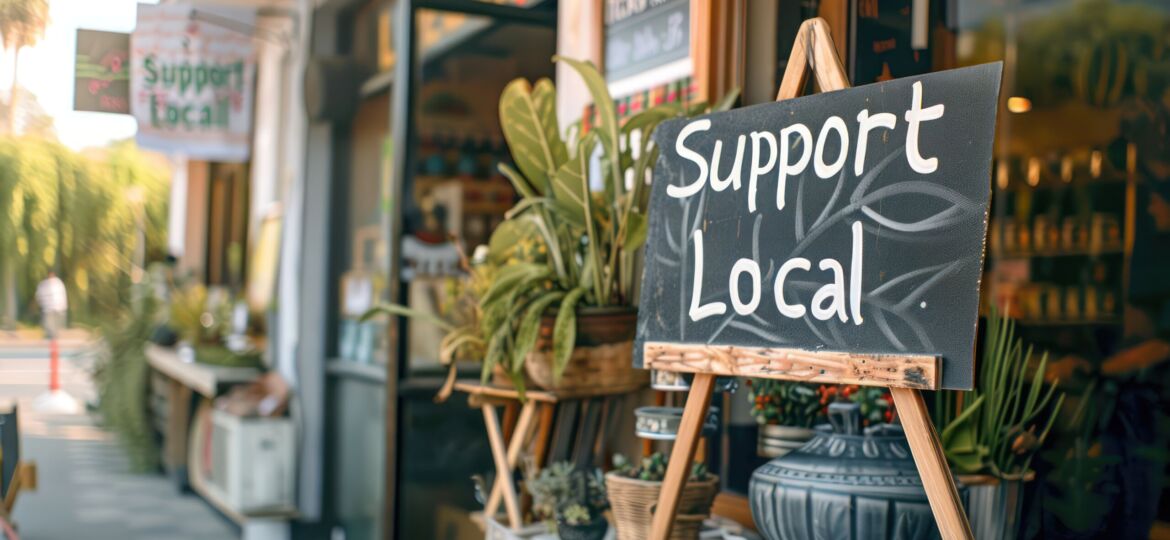
When you choose to shop local York Region, you are doing more than buying something you need — you are helping the whole community. Strong local spending leads to York Region job creation and supports the York Region economy jobs that we all rely on. When more people support local businesses York Region, money stays in the region and powers growth in many neighbourhoods. In this blog, we will explore why buying locally matters, how it leads to York Region job creation, and what it does for the York Region economy jobs overall.
Why shop local York Region matters
Every dollar you spend is like a vote. When you shop local York Region, you’re signalling that this place where you live matters. The Government of Canada notes that choosing local businesses helps make our economy stronger, especially in small communities and regions. For example, when you buy from a local store instead of a big national chain, more of your dollars remain in your community.
In York Region, small businesses are central. According to the York Region Employment and Industry Report 2024, small businesses (those with 1–19 employees) make up about 81 per cent of all surveyed businesses. That means when you support local businesses York Region, you are supporting most of the business community here. These small enterprises are a big part of York Region job creation.
How local spending leads to job growth
When you shop local York Region, local businesses have more income to hire staff, expand, and upgrade their services. This is a direct path to York Region job creation. As businesses grow, they may need more workers — from cashiers, delivery drivers, to accountants or managers.
The same 2024 report shows that York Region had over 623,680 jobs (excluding home-based employment) in that year. Retail trade was one of the significant sectors, making up 11 per cent of those jobs. That means many jobs depend on strong local shoppers choosing local stores over big box or online retailers. That is how York Region economy jobs get supported.
Plus, local spending has ripple effects. When a local business does well, it might buy supplies, pay for services, or hire nearby contractors. Each of these actions may support more jobs—what economists call a multiplier effect.
The broader benefits to York Region economy jobs
When people support local businesses York Region, the benefits go beyond individual stores:
-
Better community resilience. A more diverse base of local firms means York Region is less dependent on a few large employers. That keeps York Region economy jobs more stable during downturns.
-
Stronger tax base. Local businesses pay taxes which help fund services like roads, parks, transit, and schools — which in turn make York Region a better place to live and do business.
-
Boosted neighbourhood vitality. Local shops create gathering spots, jobs nearby, and character in towns and city streets.
-
Innovation and choice. Independent businesses often offer products tailored to local tastes or gaps that bigger chains ignore.
Because of these, York Region job creation is more than adding staff — it is about building a healthy regional economy with lasting strength.
Challenges and how shopping local helps offset them
York Region is growing fast, and that brings challenges. Rising housing costs, competition with online shopping, and supply chain pressures can strain local firms. According to a 2025 labour market report, York Region has experienced rapid population growth and increasing labour supply, which raises competition for jobs. Also, unemployment in York Region has been converging with the GTA, making job growth more critical.
By deciding to shop local York Region, you directly help businesses face those pressures. More stable customer demand gives them confidence to invest, hire more staff, and stay in business. That supports York Region job creation and protects York Region economy jobs from being lost to big chains or external competition.
Real examples in York Region
-
Many local stores in Markham, Richmond Hill, Vaughan, Aurora, and Newmarket rely on neighbourhood customers. When people choose them, those shops can hire more staff locally.
-
Regional planning and economic development in York monitor business zones and growth. The local York Region business resources page describes how employment land zones support growth and jobs.
-
Infrastructure projects also interplay with shopping local. For example, the Yonge North Subway extension into Richmond Hill is forecast to generate thousands of jobs during construction. While that is not direct retail, it shows the link between investment, growth, and job creation in York Region.
Tips on how you can support local
-
Choose neighbourhood shops for your everyday purchases — grocery, hardware, services.
-
Use local artisans and makers for gifts or home goods.
-
Attend local markets or events where local vendors sell their goods.
-
Share and mention local businesses on social media to bring them more customers.
-
Encourage local institutions (schools, community centres) to buy locally when they can.
Each time you choose local, you are acting in favour of York Region job creation and strengthening York Region economy jobs.
How Job Skills helps, and an invitation to take action
At Job Skills, we know a strong local economy matters for job seekers. We believe that when people support local businesses York Region, we create more opportunities for work and stable employment. Our mission is to help you find that job opportunity — whether in a small shop or a larger employer — so that you become part of the engine of York Region job creation yourself.
We offer tools and services to connect you to open roles, improve your resume, practice interviewing, and help you join the workforce in York Region’s robust economy. If you are ready to be part of local growth and want help accessing those jobs, click here to find your employment solution today. Let us help you join the momentum of York Region economy jobs in a community that values local connections, fair opportunity, and shared growth.
