


Why Ontario's Young Job Seekers Feel Like the System Is Rigged Against Them (And What's Actually Being Done About It)
Let's be honest. If you're a young person in Ontario right now trying to land your first job, it probably feels like you're playing a game that's almost impossible to win.
You apply to entry-level jobs. The posting says "entry-level." You're excited. Then you read the fine print: one to two years of experience required. Specific certifications. Proven results. For a job that's supposed to be the starting point.
That's not an entry-level job. That's a trap.
The Experience Paradox Is Real

This catch-22 has a name: the experience paradox. You can't get experience because you can't get hired. You can't get hired because you don't have experience. And around and around it goes.
It's not just anecdotal. Ontario's youth unemployment rate for people between 15 and 24 has been hovering in the 14-15% range, with teenagers between 15 and 19 seeing spikes closer to 20%. That's not a blip. That's a structural problem.
And it's getting worse, not better. The pandemic wiped out a huge chunk of the early work opportunities that previous generations used to build their resumes. Older workers who were laid off are now competing for the same entry-level roles. Add automation cutting into task-based work and a brutal cost of living, and the math just doesn't add up for a lot of young people right now.
Some youth report sending out 50 to 100 applications before landing a single interview. One young job seeker put it perfectly: "There will be 20 other people just like you, lining up for that same job."
That's demoralizing. And it's not because these young people aren't trying.
It Hits Harder for Some Than Others
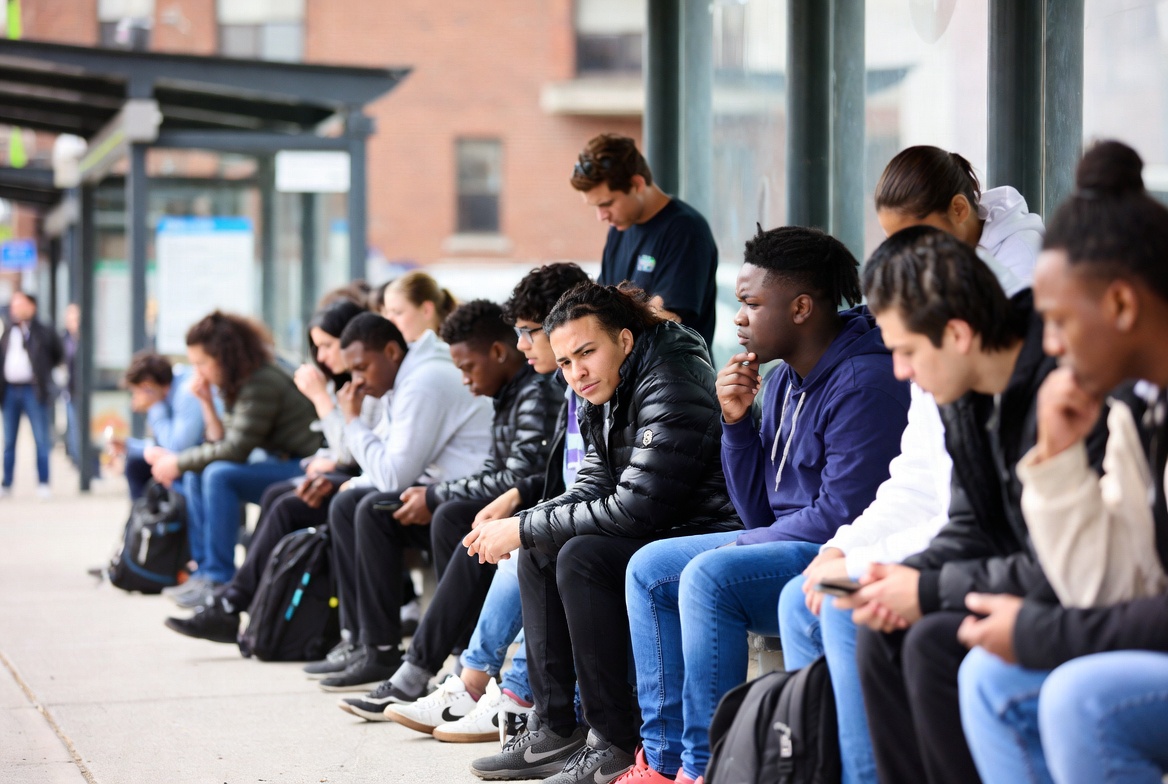
If you're Black, a newcomer, living with a disability, or dealing with any combination of barriers, the system stacks even higher against you. Nearly 60% of youth in some surveys report facing discrimination based on race, age, gender, or newcomer status. Around 74% in Toronto surveys flag transportation and location as real, practical blockers.
This isn't just a skills gap problem. It's a systemic one.
So What Actually Helps?
The frustration is real, but so is the solution, when the right support exists.
Job Skills has been working with youth in York Region, Peel Region, and across the GTA since 1988, and one of the programs specifically designed to break this cycle is built for Black youth facing these exact barriers.
It's not a generic job board or a worksheet. It's targeted support that connects young people to real opportunities, employers who are genuinely open to building careers together, and the kind of skill-building and coaching that fills the gaps the traditional path leaves behind.
The system might not be designed for easy entry anymore, but programs like this one exist to change that on an individual level, one person at a time.
You Deserve a Fair Shot

If you're a young Black person in the GTA who's been grinding through the job search and hitting the same walls, this program was built with you in mind.
Frequently Asked Questions
1. Why do entry-level jobs ask for experience?
Many young job seekers face what is known as the experience paradox: they need experience to get hired, but they cannot get experience without being hired first.
2. What is the experience paradox?
The experience paradox is the cycle where young people cannot get hired because they lack experience, but they cannot gain experience because employers will not hire them.
3. Are young people in Ontario really struggling to find work?
Yes. The blog highlights that Ontario’s youth unemployment rate for people aged 15 to 24 has been hovering around 14–15%, with teenagers seeing spikes closer to 20%.
4. Why is youth unemployment getting worse?
Several factors are making it harder, including fewer early work opportunities after the pandemic, older workers competing for entry-level jobs, automation, and the rising cost of living.
5. Why does the job search feel so discouraging for young people?
Some youth report sending 50 to 100 applications before getting one interview. This can make the process feel unfair, exhausting, and demoralizing.
6. Who faces the biggest barriers in the job market?
Young people who are Black, newcomers, living with a disability, or facing multiple barriers may experience even greater challenges when trying to find work.
7. Is this only a skills gap problem?
No. The blog explains that this is not just about skills. It is also a systemic issue involving discrimination, transportation barriers, location challenges, and unequal access to opportunity.
8. What kind of support can actually help young job seekers?
Targeted support can help, including career coaching, skill-building, employer connections, and access to real opportunities with employers who are open to helping young people build careers.
9. How does Job Skills support youth?
Job Skills has supported youth in York Region, Peel Region, and across the GTA since 1988 through programs that help job seekers build skills, connect with employers, and access employment opportunities.
10. Who is the Right Fit for Black Youth program for?
The program is designed for young Black people in the GTA who are facing barriers in the job search and need targeted support to move toward meaningful employment.
