


Why Your Small Business IT Problems Aren't Going Away (And What to Do About It)
Let's be honest — if you're running a small or medium-sized business, IT probably isn't the thing you lie awake thinking about. You're thinking about cash flow, your next client, whether your team's hitting their numbers. Tech is just supposed to work.
And then it doesn't.
The reality is, IT challenges are one of the biggest day-to-day drains on SMBs right now, and they're getting harder to ignore. Here's a look at what's actually going on and why so many business owners are feeling the pressure.
You're a bigger target than you think
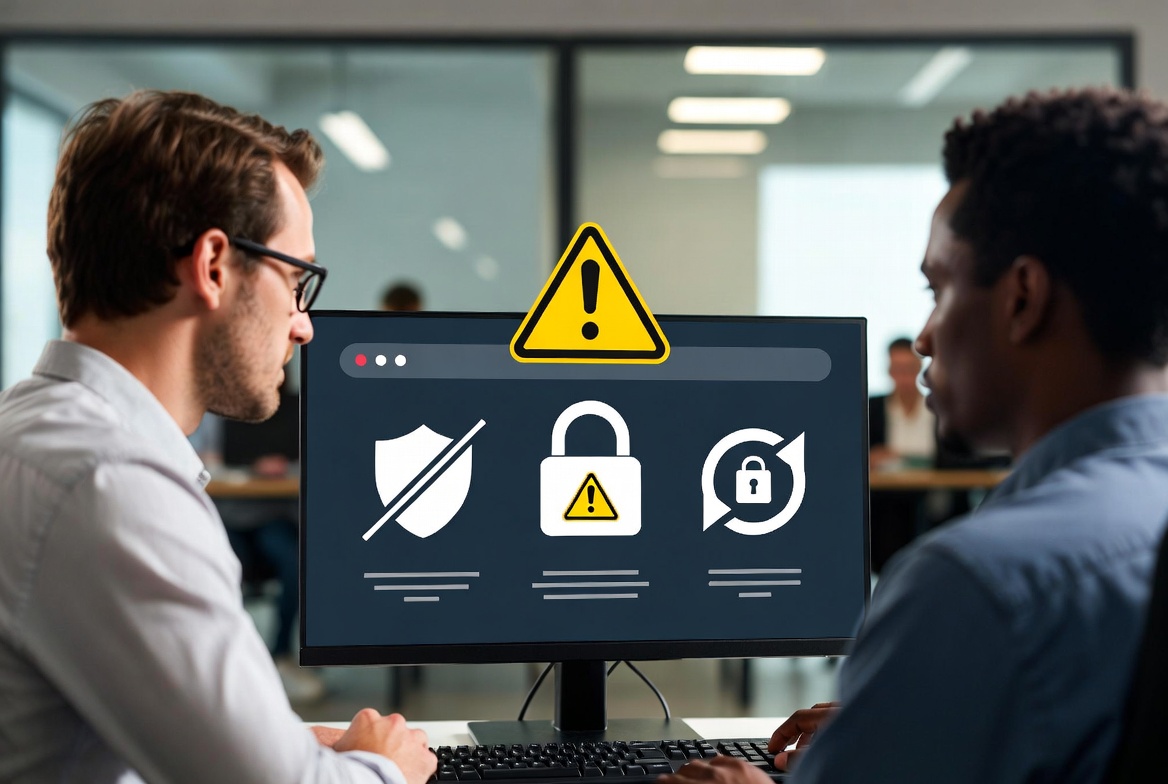
A lot of SMB owners assume cybercriminals are too busy going after the big fish to bother with them. That's not how it works. Smaller businesses are actually prime targets precisely because the defenses tend to be weaker. Phishing emails, ransomware, credential theft — these aren't just enterprise problems. They're hitting businesses your size every single day, and the financial fallout can be devastating. We're talking tens to hundreds of thousands of dollars when things go sideways.
And here's the kicker: threats are evolving fast. AI-powered attacks are becoming more common, and human error — someone clicking the wrong link — is still one of the top entry points. Without ongoing training and the right safeguards in place, you're exposed in ways you might not even realize.
The budget squeeze is real
Nobody wants to spend money on IT until something breaks. That's understandable. But reactive IT is almost always more expensive than proactive IT. Emergency fixes, surprise cloud bills, hardware that should've been replaced two years ago — it adds up fast, and it tends to hit at the worst possible time.
The challenge for most SMBs is that there's no real strategy behind the spending. It's just "put out the fire and move on." That cycle's tough to break without the right support.
You probably don't have a dedicated IT person — and that's a problem
Most small businesses don't have a full-time IT person on staff. What they have is someone who's "pretty good with computers" also handling their actual job, or an owner who ends up troubleshooting network issues at 8pm when they should be doing literally anything else.
That setup leads to slow problem resolution, missed software patches (which are a major ransomware entry point, by the way), and a general sense that tech is always slightly on fire. It's not sustainable.
Cloud tools are great — until they're not
Most businesses are running on a mix of cloud apps these days. CRM here, email there, project management somewhere else, a collaboration tool the team adopted without telling anyone. The flexibility is great, but integrating all of those systems, keeping them secure, and managing the costs? That's a full-time job.
Add hybrid work into the mix and you've got employees connecting from home networks, personal devices, and coffee shops, and every one of those access points is a potential vulnerability.
Compliance isn't going away either
Depending on your industry, you're dealing with regulatory requirements that didn't exist a decade ago. Data privacy rules, backup requirements, access management, audits — it's a lot to stay on top of, especially when legacy systems weren't built for any of it.

So what's the fix?
Here's where it gets a bit more encouraging. You don't have to figure all of this out on your own.
Job Skills' Business Support Services works with small businesses to provide reliable, flexible IT infrastructure without the overhead of a full-time hire. The team specializes in tailored IT solutions built around what your business actually needs, not a one-size-fits-all package that costs more than it delivers.
Beyond IT, Job Skills also offers support in HR, Marketing, and Accounting and Bookkeeping — so if any of those are on your list of "things I know I should have handled better," that's worth knowing too.
Running a business is hard enough. The operational stuff doesn't have to be.
Frequently Asked Questions
1. Why are IT problems so common for small businesses?
Small and medium-sized businesses often rely on technology every day, but many do not have a dedicated IT strategy or full-time IT support. As a result, problems are usually handled only after something breaks, which can make issues more expensive and disruptive.
2. Are small businesses really targets for cyberattacks?
Yes. Small businesses are often prime targets because their cybersecurity defenses may be weaker than larger organizations. Phishing emails, ransomware, and credential theft can affect businesses of any size.
3. What kinds of cyber threats should SMBs be concerned about?
Common threats include phishing emails, ransomware, credential theft, AI-powered attacks, and employee mistakes such as clicking the wrong link. Without proper safeguards and ongoing training, these risks can become serious vulnerabilities.
4. Why is reactive IT more expensive than proactive IT?
Reactive IT usually means waiting until something breaks before spending money. Emergency fixes, unexpected cloud bills, outdated hardware, and downtime can quickly become more expensive than planning ahead with regular maintenance and support.
5. What happens when a business does not have a dedicated IT person?
Without dedicated IT support, troubleshooting often falls to an owner or an employee who is simply “pretty good with computers.” This can lead to slow problem resolution, missed software patches, increased security risks, and a feeling that technology is always slightly on fire.
6. Why are missed software patches a problem?
Missed software patches can leave systems exposed to known vulnerabilities. The blog notes that missed patches are a major ransomware entry point, making regular updates an important part of keeping business systems secure.
7. Why can cloud tools become difficult to manage?
Many businesses use a mix of cloud apps for email, CRM, project management, collaboration, and other tasks. While these tools are flexible, integrating them, securing them, and managing their costs can become a full-time job.
8. How does hybrid work create IT risks?
Hybrid work often means employees connect from home networks, personal devices, coffee shops, and other locations. Each access point can create a potential vulnerability if systems are not properly secured and managed.
9. Why is compliance becoming harder for small businesses?
Depending on the industry, businesses may need to manage data privacy rules, backup requirements, access controls, audits, and other regulatory obligations. Legacy systems may not have been built to handle these requirements easily.
10. How can Job Skills help with small business IT challenges?
Job Skills’ Business Support Services works with small businesses to provide reliable, flexible IT infrastructure without the overhead of a full-time hire. The team offers tailored IT solutions based on what each business actually needs. Job Skills also offers support in HR, Marketing, and Accounting and Bookkeeping.
Learn More Contact Job Skills